

A career in protective services is about more than just standing guard; it’s about providing peace of mind, ensuring safety, and upholding a high standard of professionalism. In Minnesota, this journey culminates in becoming a licensed Protective Agent—a professional who can operate their own security business or work at the highest levels of the industry.
This comprehensive guide will go beyond the basics, giving you a detailed roadmap to navigate the licensing process, understand the requirements, and build a successful career in Minnesota’s security sector.
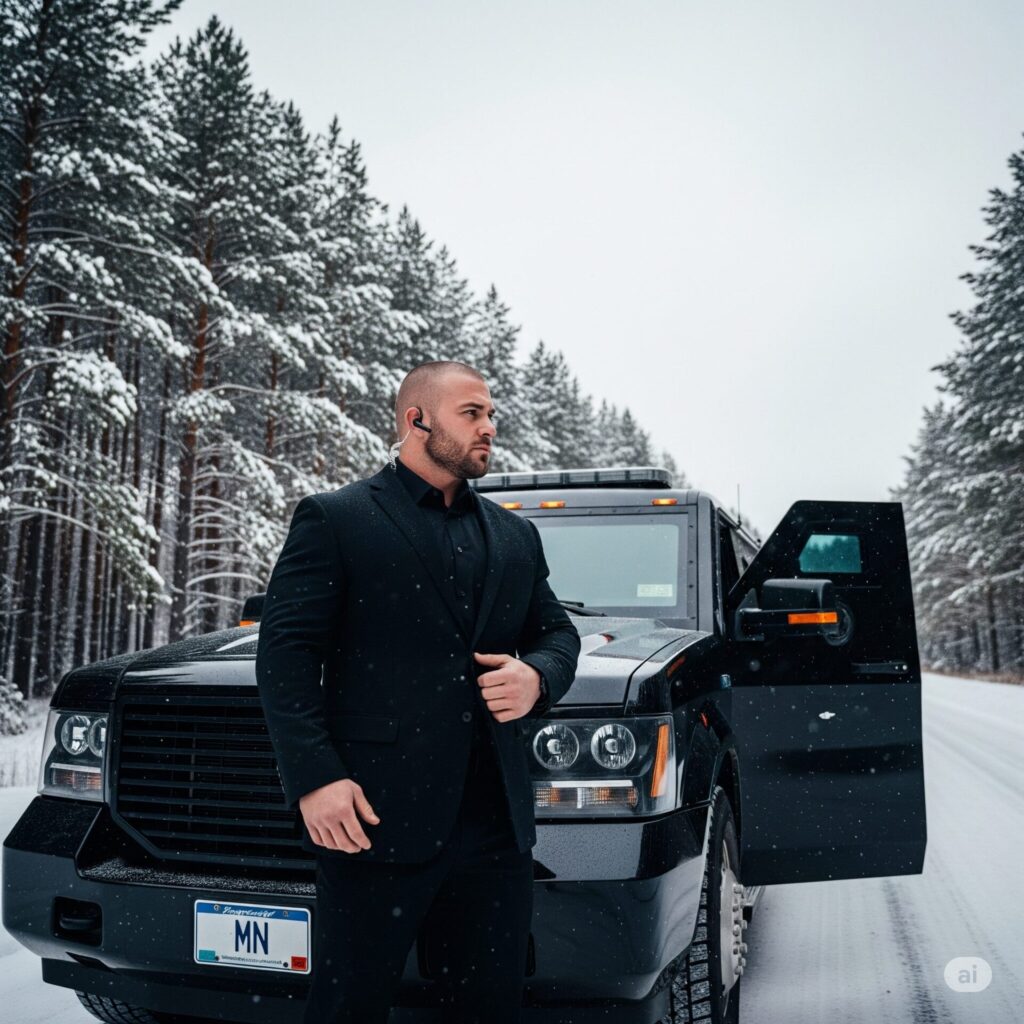
Step 1: The Foundational Requirements to Start as a Security Guard
Before you can become a licensed Protective Agent, you must first gain essential on-the-job experience. This typically begins with working as a security guard for a licensed protective agency. Think of this as your apprenticeship in the security field.
To get started, you’ll need to meet these basic qualifications:
- Age: Be at least 18 years old.
- Background: Have a clean record, free of any felony convictions or other disqualifying offenses as defined by state law. Integrity and honesty are paramount in this industry.
- Training: You must complete a state-mandated 12-hour pre-assignment training course. This is a critical step, as it provides the fundamental knowledge you’ll need. This training covers:
- Professional communication and de-escalation techniques.
- The legal powers and limitations of a security professional.
- Patrol methods and situational awareness.
- Ethics and conduct in the security industry.
- Emergency response procedures.
Many training providers offer this course online and on-demand, giving you the flexibility to complete it on your own schedule.
Important Note for Armed Professionals: If you plan to work as an armed security guard, the requirements are more stringent. You must be at least 21 years old and complete an additional 12 hours of firearms training with an approved instructor. This training ensures you are proficient and understand the legalities of carrying a firearm in a protective capacity.
Step 2: Gaining the Essential 6,000 Hours of Experience
This is arguably the most demanding part of the process. To qualify for a Protective Agent license, the Minnesota Board of Private Detective and Protective Agent Services requires you to document a minimum of 6,000 hours of protective employment experience.
This isn’t just about working; it’s about the quality of your experience. The state board looks for experience in one or more of the following fields:
- Licensed Protective Agent Employment: Working in a protective capacity for a company that already holds a license. This is the most common path.
- Government Service: Having experience in a protective or investigative role with a U.S. government investigative service.
- Law Enforcement: Serving in a protective or investigative role with a city police department or sheriff’s office.
- Equivalent Occupations: The board may also accept experience from other roles they deem equivalent in scope, responsibility, and training.
This requirement typically takes about three years of full-time work to fulfill. It’s a testament to the state’s commitment to ensuring that those who hold a Protective Agent license are seasoned, experienced professionals.
Step 3: The Protective Agent Application Process
Once you have the required hours of experience and training, you can begin the formal application process. The application is a detailed and multi-step procedure managed by the Minnesota Board of Private Detective and Protective Agent Services.
Here’s a breakdown of the key components you’ll need to submit:
- Completed Application Forms: The official application forms must be filled out completely and accurately.
- Fingerprints and Criminal History: You will need to provide a full set of fingerprints and an informed consent form for a comprehensive criminal history check.
- Proof of Experience: You must submit detailed documentation of your 6,000 hours of qualifying experience.
- Financial Responsibility: The state requires proof of financial responsibility to ensure you can operate a business ethically and responsibly. This can be demonstrated in several ways:
- A $10,000 Surety Bond: This is a bond that provides financial protection to clients and the public in case of misconduct. It’s an essential part of the licensing process.
- An insurance policy.
- An annual net worth statement certified by a public accountant.
- An irrevocable letter of credit from a financial institution.
- Reference Verification: You must provide five references who are not related to you by blood or marriage and have known you for a minimum of five years.
- Fees: A non-refundable application fee and the appropriate licensing fee are required. The license fee varies based on your business structure:
- Individual (Sole Proprietor): $800
- Partnership/LLP: $1,600
- Corporation/LLC: $1,800
Life After Licensing: Continuing Education and Renewal
A Protective Agent license isn’t a one-time achievement; it’s a commitment to ongoing professional development.
- Annual Continuing Education: All licensed Protective Agents and their employees must complete six hours of board-certified continuing education annually. This keeps you up-to-date on changes in laws, best practices, and new industry techniques.
- Armed Agent Training: If you are an armed agent, you must complete an additional six hours of training each year in the use of your firearm and other weapons.
- License Renewal: The license itself must be renewed periodically (typically every two years), and you will be required to submit proof that you and your employees have met all the necessary training requirements.
Career and Salary Outlook
The protective services industry in Minnesota offers a wide range of salaries based on experience, specialization, and the type of work you perform.
- Security Guard Salaries: According to recent data, unarmed security guards in Minnesota can earn an average of $18-$22 per hour, while armed guards may earn $22-$25 per hour.
- Protective Agent Salaries: As a licensed agent, your earning potential increases significantly. Since most agents are self-employed or run their own businesses, income can vary greatly. However, experienced agents specializing in areas like executive protection or dignitary security can earn well over $80,000 annually.
Your income is a direct reflection of your skills, reputation, and the types of clients you attract.
contact for more : invictus security
Ready to Take the Next Step?
Becoming a licensed Protective Agent in Minnesota is a significant professional achievement. It demonstrates your commitment, experience, and integrity, opening the door to new opportunities and a leadership role in the security industry. By following these steps and staying dedicated to your career growth, you can build a successful and rewarding future as a protective services professional.